
What are peptides? A year ago I would have given you a blank stare if you asked me that question.
Disclaimer: I’m not a doctor or medical professional. Everything I share on PepStride is based on my personal experience and research. Nothing here is medical advice. Always consult a healthcare provider before starting any new health protocol.
If you’d asked me what a peptide was a year ago I would have given you a blank stare. The only things I knew about in this space were Ozempic and Zepbound — and that was only because they were everywhere in the news. Weight loss drugs for celebrities. Controversial. Expensive. That was the extent of my knowledge.
Then I started actually researching them. And what I found genuinely surprised me.
It turns out Ozempic and Zepbound are just two peptides in a world of hundreds. And once I started learning what peptides actually are — and what they can do — I couldn’t believe how little mainstream attention most of them get.
So What Actually Is a Peptide?
Here’s the simplest way I can explain it, because I still struggle to describe them without sounding like I’m reading from a textbook:
Peptides are short chains of amino acids. Amino acids are the building blocks of protein — and when you string a small number of them together in a specific sequence, you get a peptide.
Your body already makes peptides naturally. They act as signaling molecules — essentially messengers that tell different systems in your body what to do. What makes synthetic peptides interesting is that they work by acting on those same existing natural hormone pathways, helping them function better. They’re not forcing your body to do something foreign. They’re more like a nudge — helping your body do more of what it already knows how to do.
Think of it like this: if your body’s natural processes are a dimmer switch, some peptides help turn that switch up.
Wait — Isn’t That What Ozempic Does?
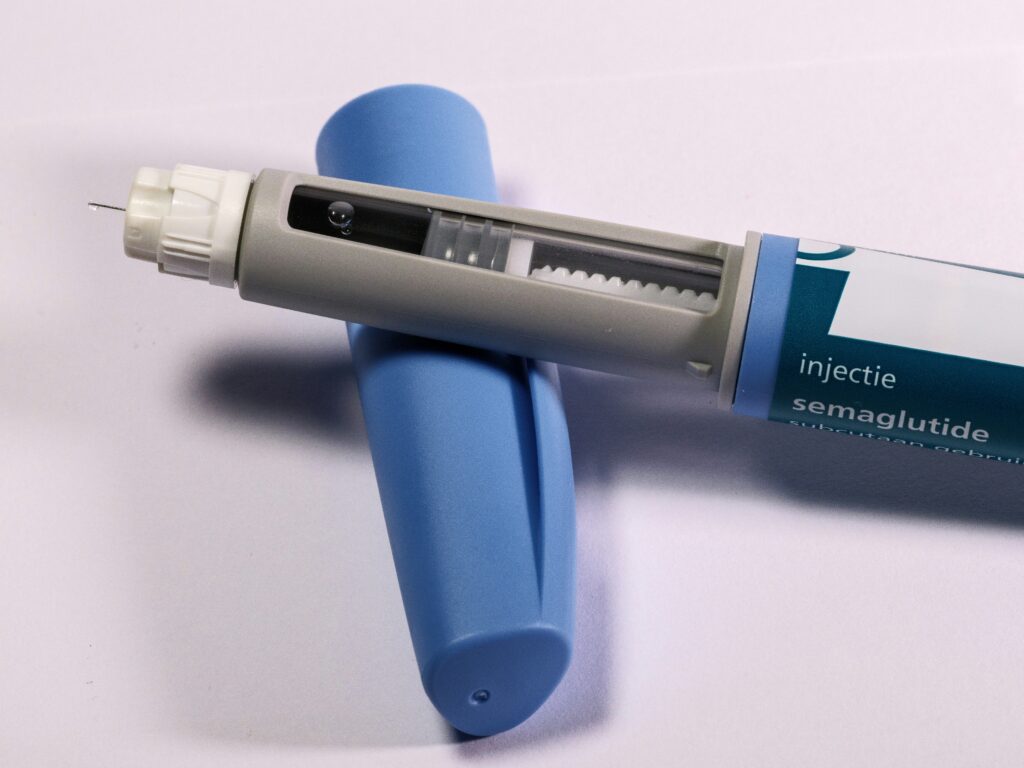
Sort of, yes. Ozempic (semaglutide) and Zepbound (tirzepatide) are GLP-1 peptides — they work by mimicking a hormone your body naturally produces that regulates hunger and blood sugar. That’s why they’re so effective at reducing appetite and food noise.
But GLP-1s are just one category. The peptide world is much bigger than weight loss drugs.
The Part That Surprised Me Most
When I started going deeper into peptide research I kept waiting for the catch. Where are the serious downsides? Where’s the long list of scary side effects?
And honestly — compared to most pharmaceuticals — the list is surprisingly short for many peptides.
Now to be clear: peptides are not magic. They’re not without risk. Research on many of them is still limited and most haven’t gone through the same rigorous FDA approval process as mainstream drugs. That matters and I don’t want to gloss over it.
But what drew me in was this: many peptides work with your body’s existing systems rather than overriding them. And the sheer variety of what they can potentially support — healing, skin, sleep, metabolism, recovery — is remarkable.
Here are just a few examples of what different peptides are being researched for:
BPC-157 — Originally studied for gut healing, also widely used for injury recovery and joint health. One of the most popular peptides in the biohacking community.
TB-500 — Studied for tissue repair and recovery. Often stacked with BPC-157 for healing protocols.
Ipamorelin / CJC-1295 — Growth hormone releasing peptides, used for muscle recovery, sleep quality, and anti-aging.
GLP-1s (semaglutide, tirzepatide) — The ones you’ve heard of. Appetite regulation, blood sugar management, weight loss.
Epithalon — Studied for longevity and anti-aging effects at the cellular level.
Melanotan II — Studied for skin tanning and other effects.
That’s barely scratching the surface. There are hundreds of peptides being researched and the list keeps growing.
Are Peptides Legal?
This is where it gets a little complicated — and I want to be honest with you about it.
Some peptides like semaglutide and tirzepatide are FDA approved prescription medications. Others exist in a legal gray area, sold as “research chemicals” and technically not approved for human use.
The legal landscape varies by peptide and is worth understanding before you dive in. I’ll be covering this in more depth in a dedicated article — but for now the safest and most straightforward route for most people is going through a licensed telehealth provider, especially for GLP-1s.
Where to Start If You’re Curious
If you’re new to all of this my honest advice is:
- Start with education — you’re already doing that by reading this
- Talk to a doctor — especially if you’re interested in GLP-1s, there are legitimate telehealth options that make this easy and legal
- Get your baseline labs done — knowing where your health markers are before starting anything is smart and something I wish I’d done
- Go slow — the biohacking community loves to stack multiple peptides at once. As a beginner, less is more
PepStride exists to help you navigate exactly this. I’m figuring it out alongside you and documenting everything honestly — the good, the surprising, and the parts that are still unclear.
If peptides seem too good to be true to you right now — I get it. That’s exactly where I started.
Want to follow along as I document my own peptide journey? Subscribe to the PepStride newsletter for weekly honest updates.